
MENTAL OBJECTivity
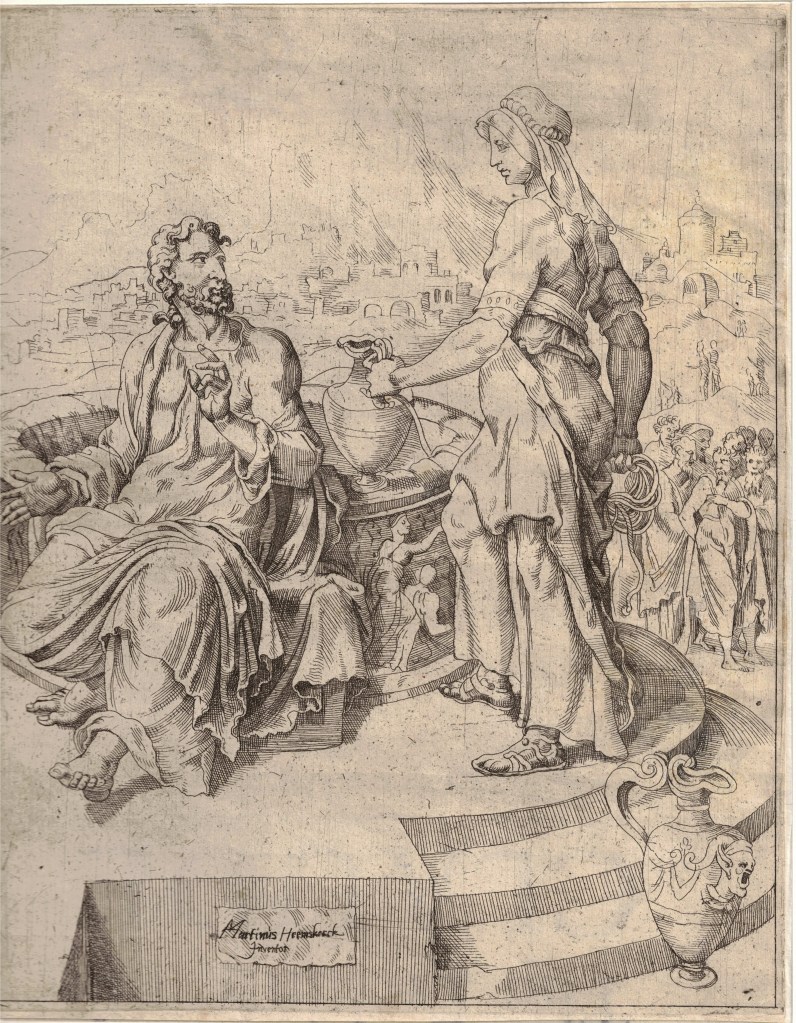
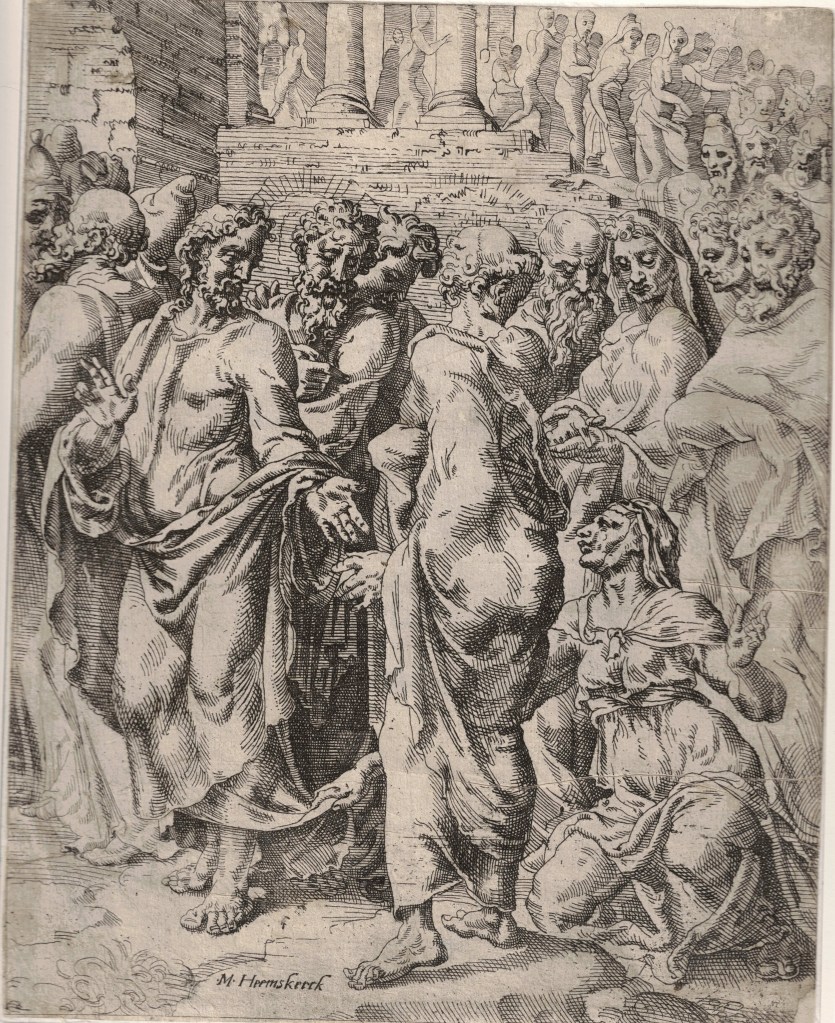
The Italian Renaissance is often contrasted with the masters of Northern Europe, such as Dürer — conspicuously absent from the collection — as well as Flemish and Dutch artists. Italian art is associated with idealisation, while Northern artists are said to show a more descriptive attention to the visible world and nature. This opposition, however, must be qualified. In Italy, Dürer discovered chiaroscuro, which profoundly transformed his visual language, and he copied Mantegna. Lucas van Leyden synthesized Dürer and Marcantonio Raimondi. It was Lucas whom Dürer, impressed by his younger peer, wished to meet in Antwerp in 1521.
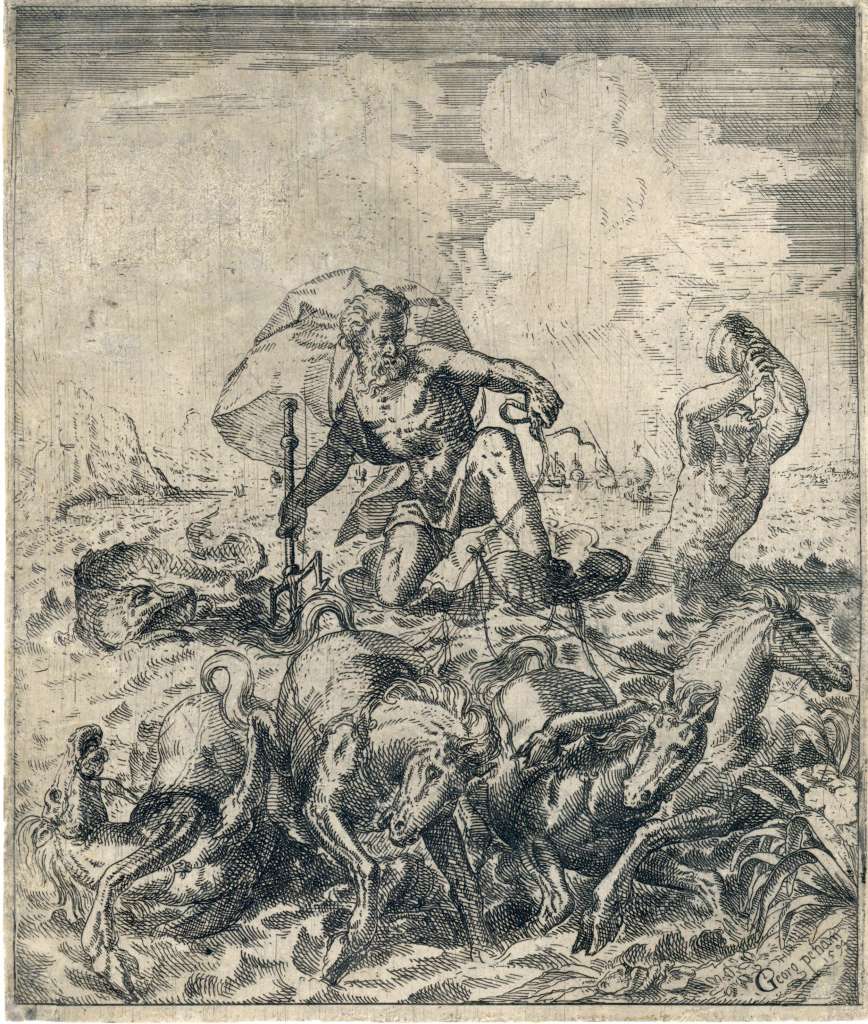
Quos Ego,
1594
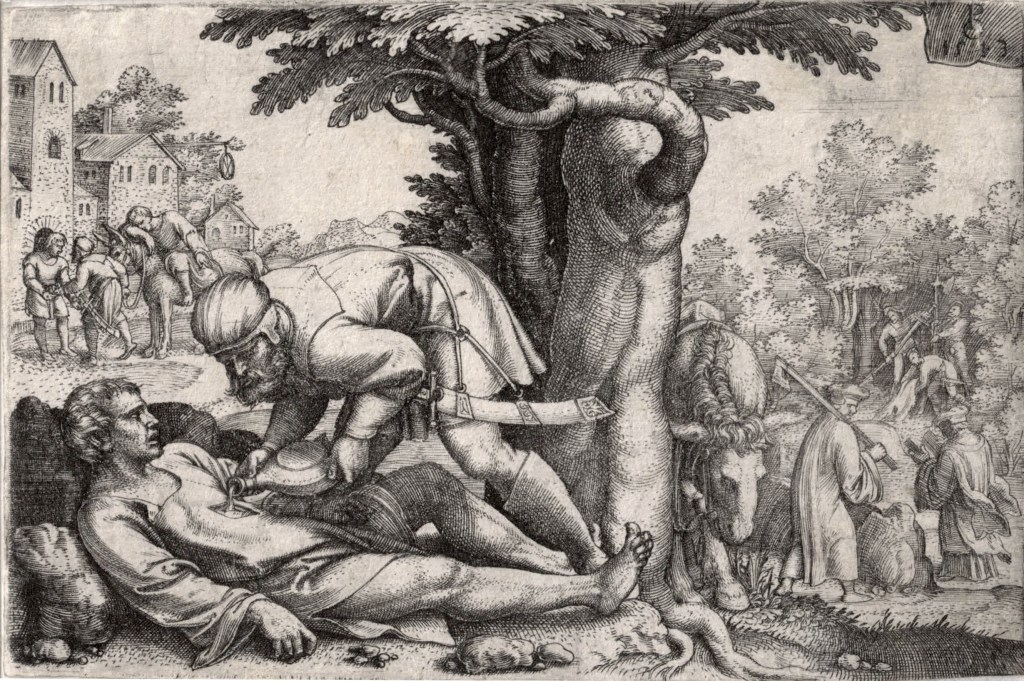
The Good Samaritan, 1543
(Hollstein 36 i/ii)
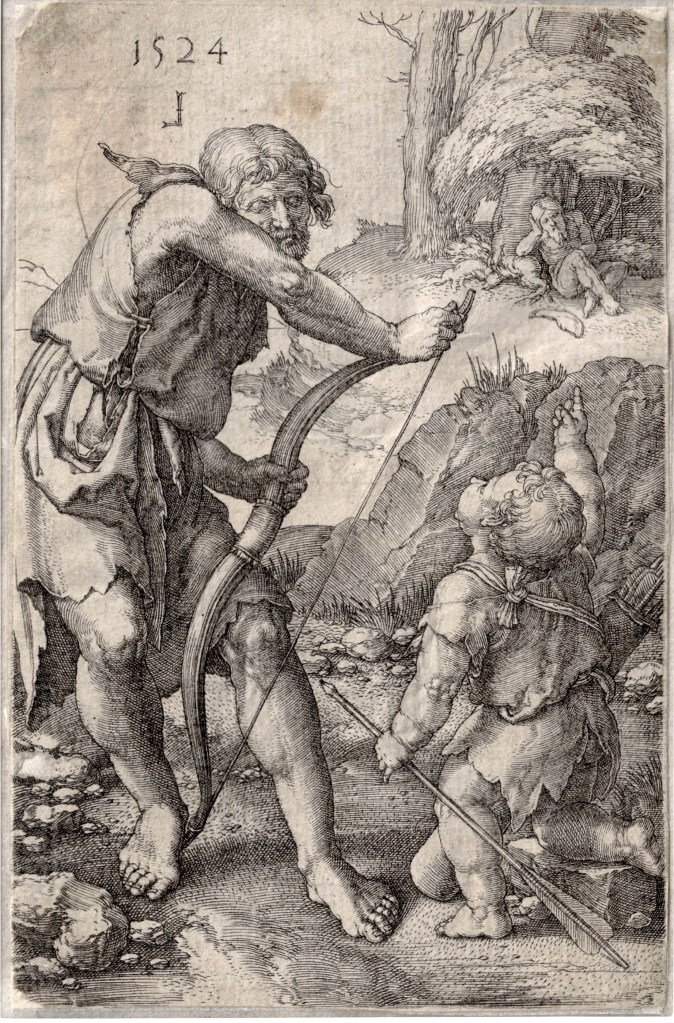
Lamech and Cain, 1524
(New Holl. 14 a)
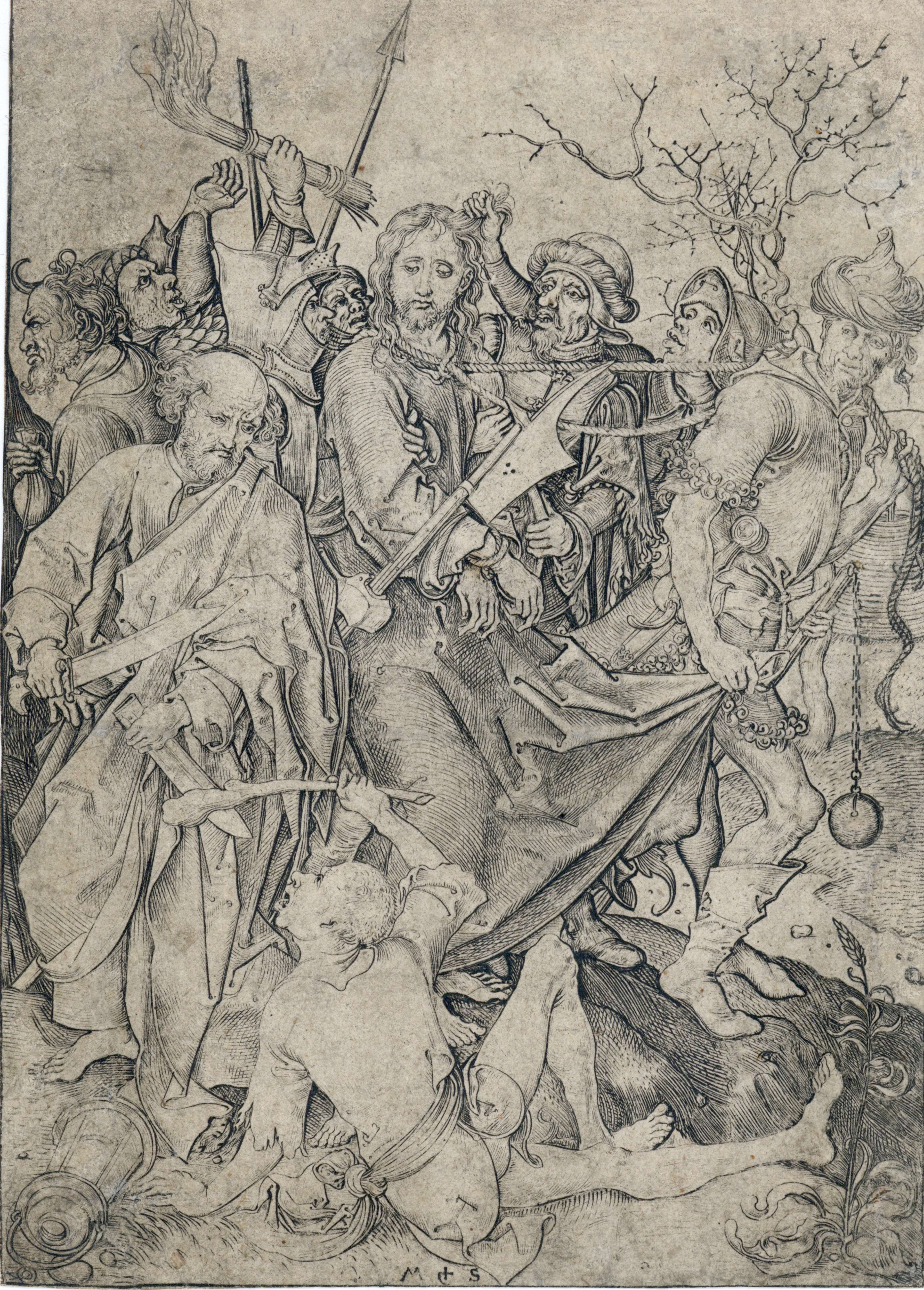
The Arrest of Christ, c. 1480
(Bartsch 10)
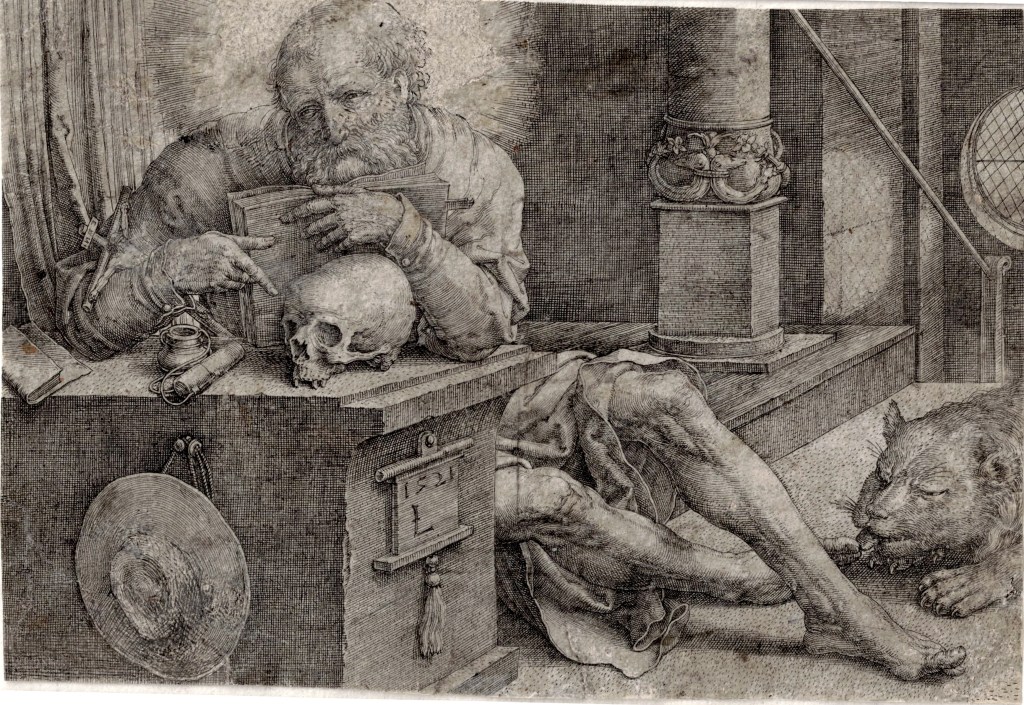
Saint Jerome in His Study, 1521
(Bartsch 114)
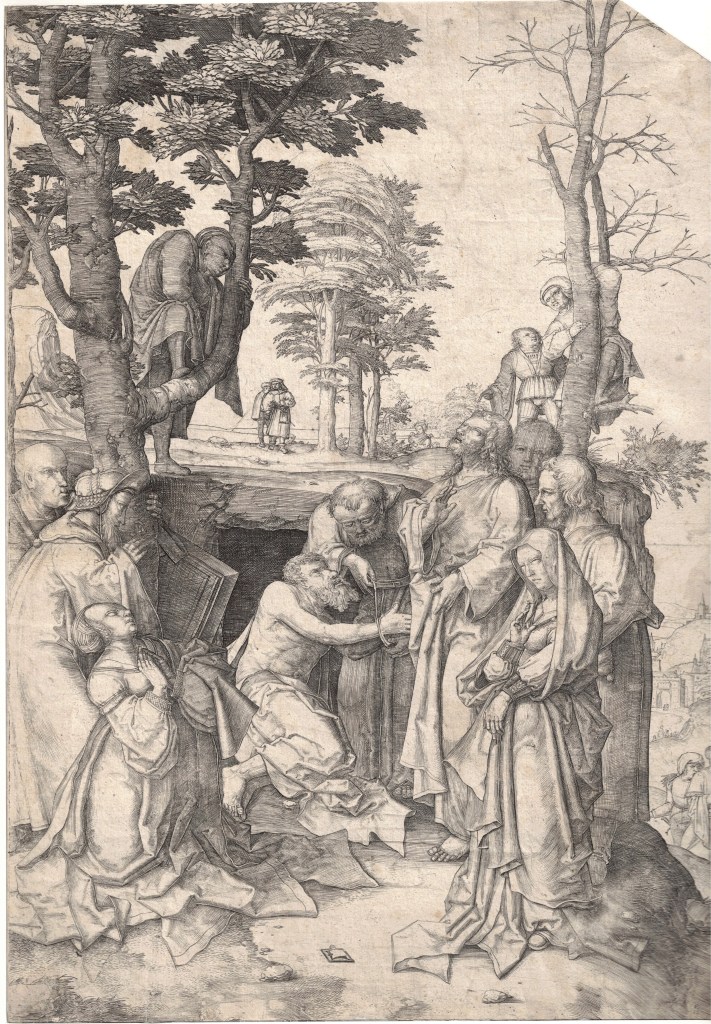
The Resurrection of Lazarus, c. 1507
(Bartsch 42)
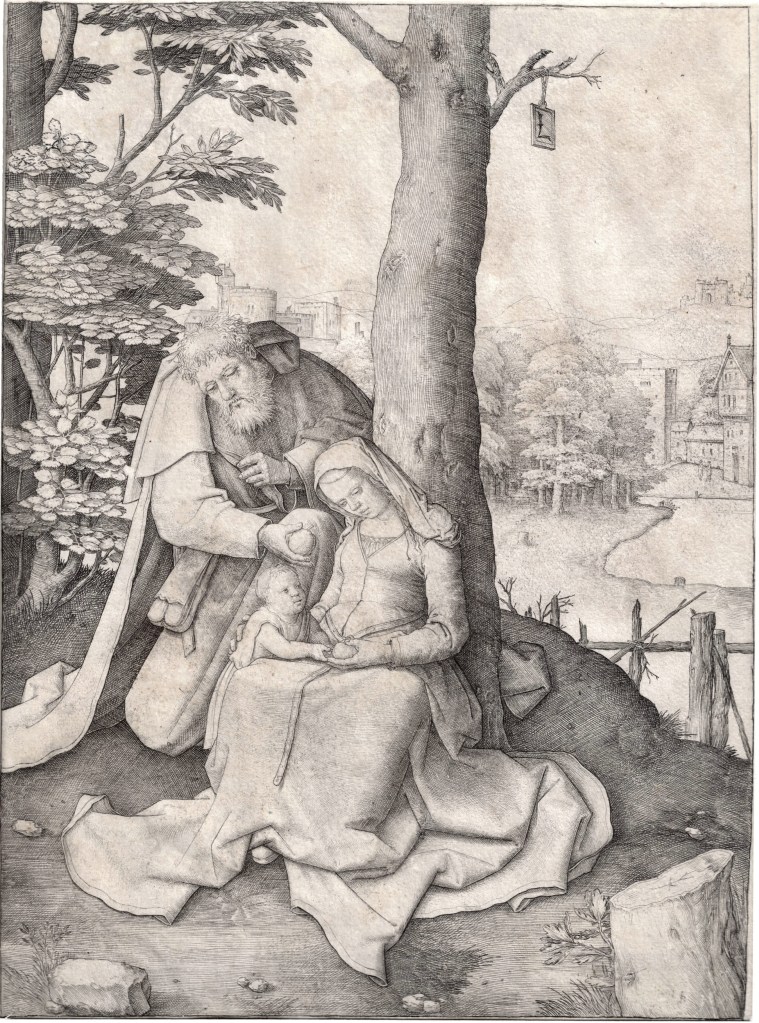
Rest on the Flight into Egypt, c. 1508
(Bartsch 85)
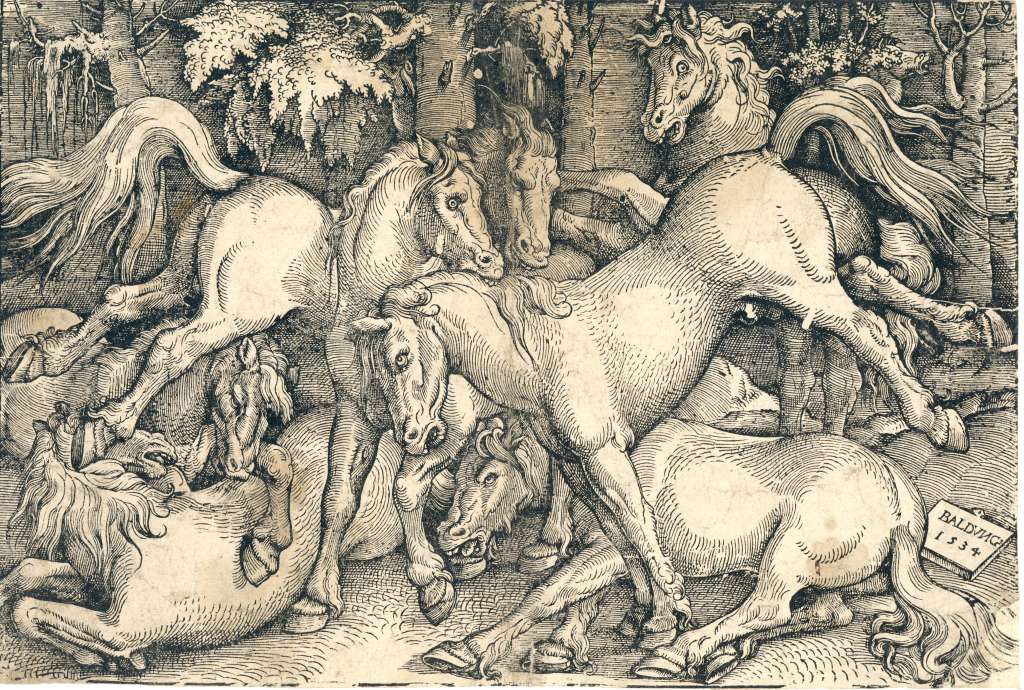
Group of Seven Horses, 1534
(Bartsch II.140.238)
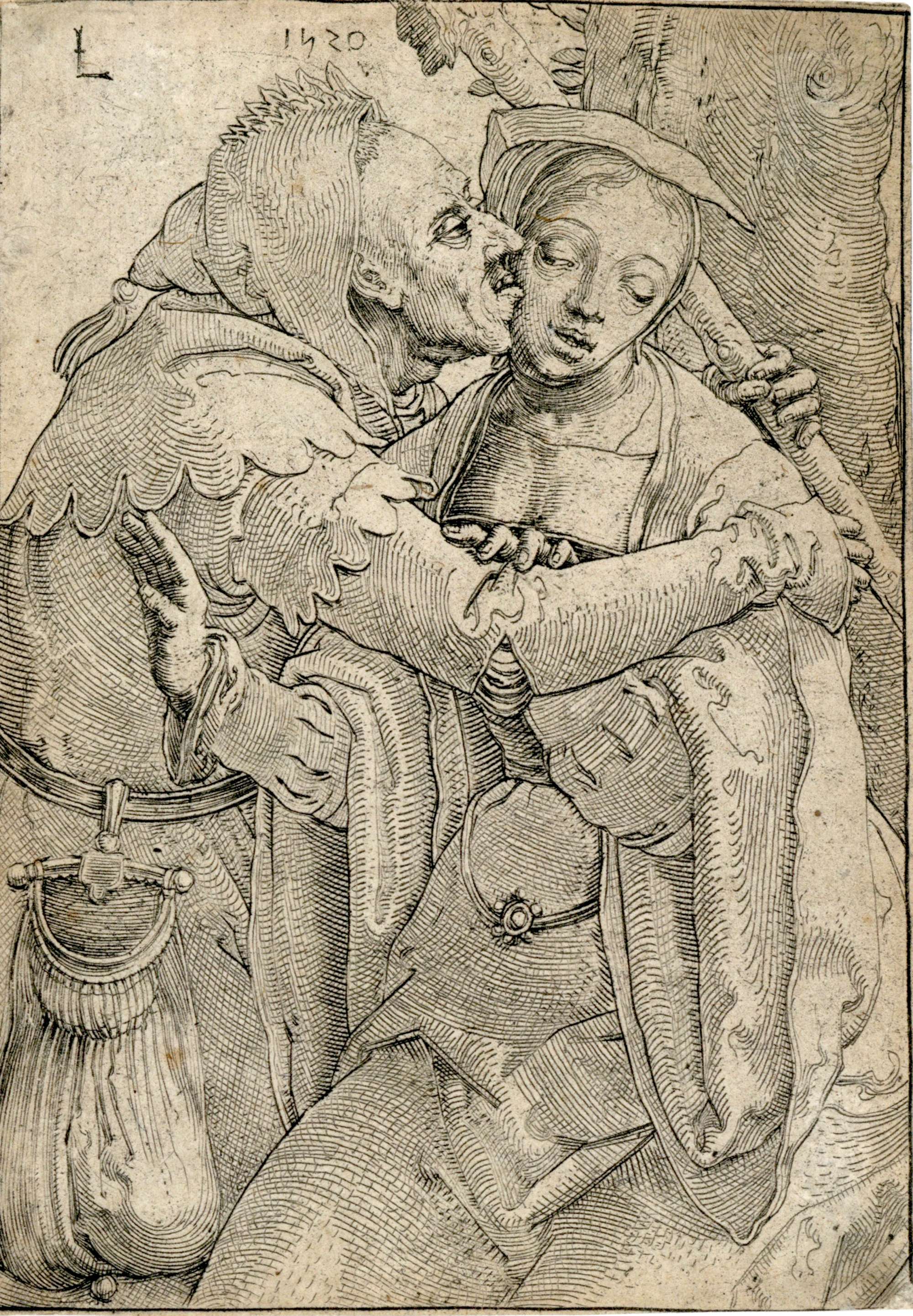
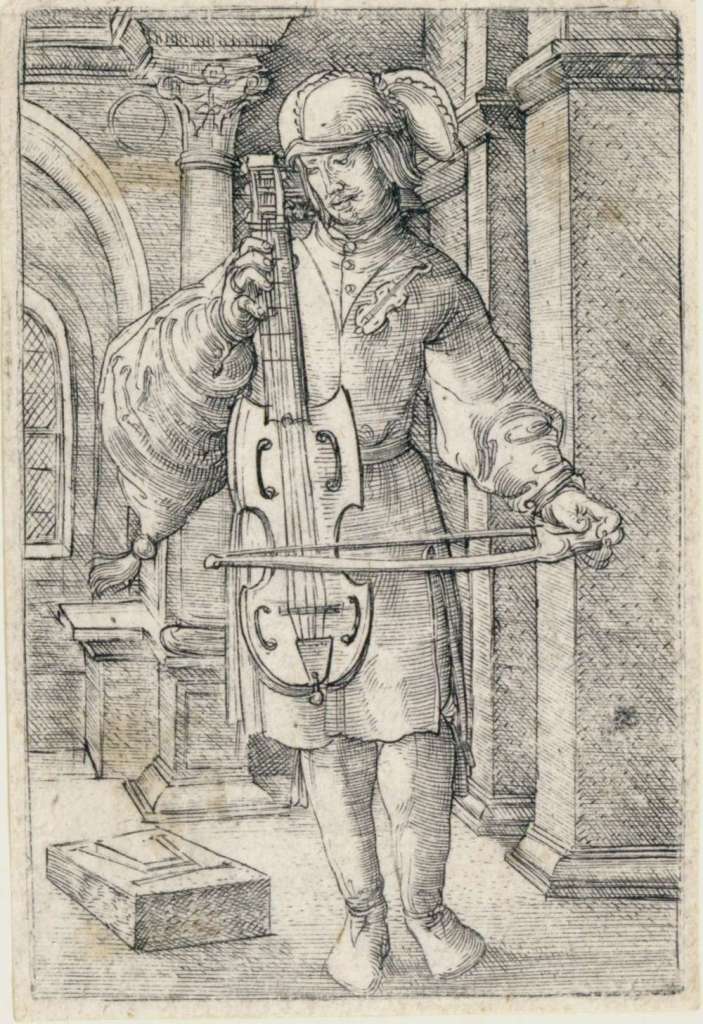
The Violin Player, c. 1520
(Bartsch VIII.60.54)
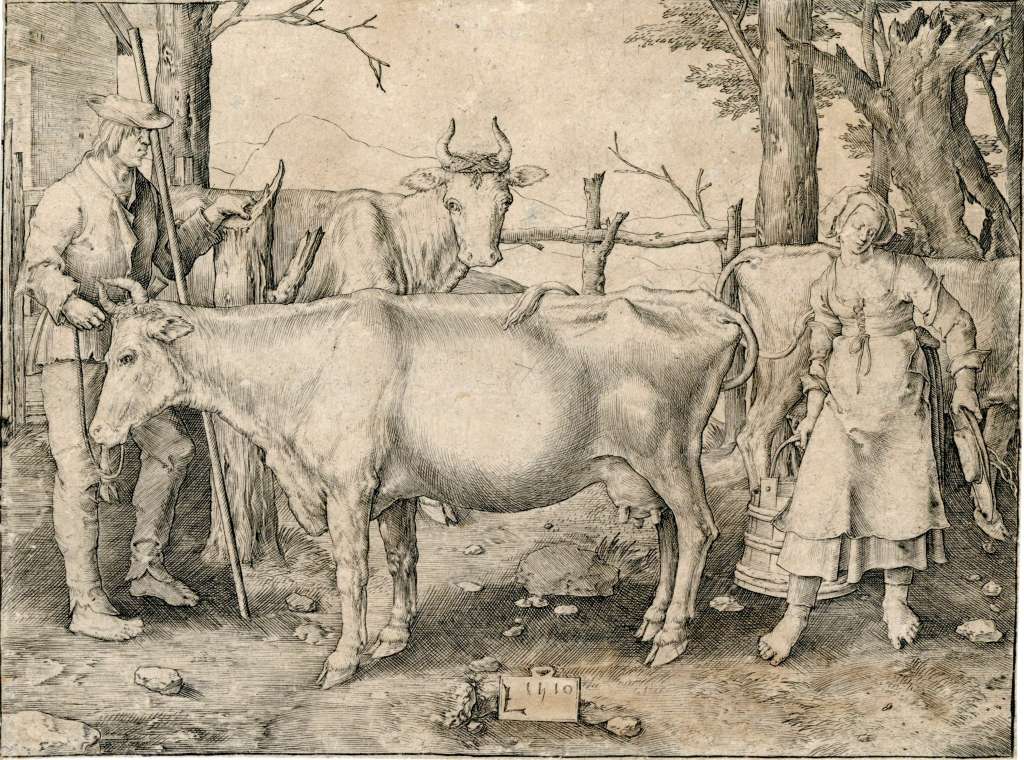
The Milk Maid, 1510
(New Hollstein 158 b)
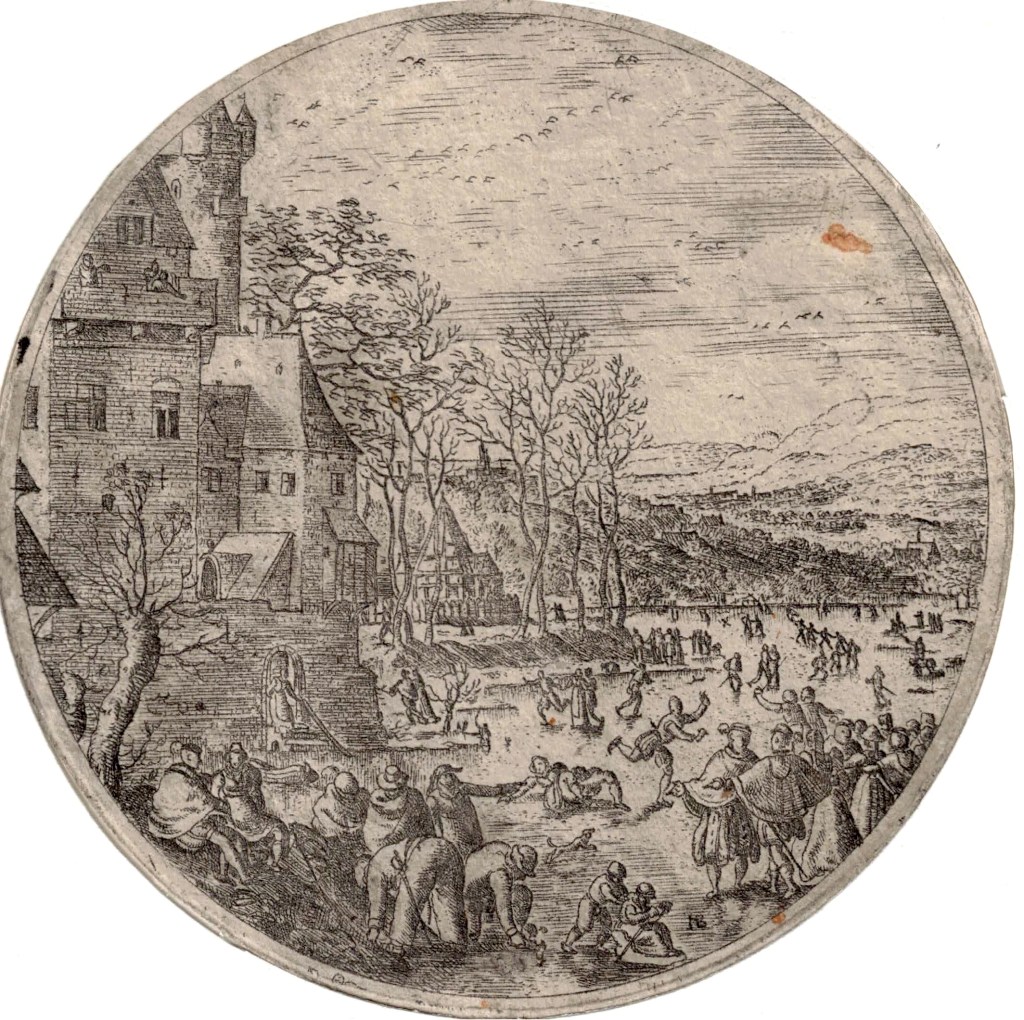
The Skaters, 1549-1572
(Hollstein Dutch 22)
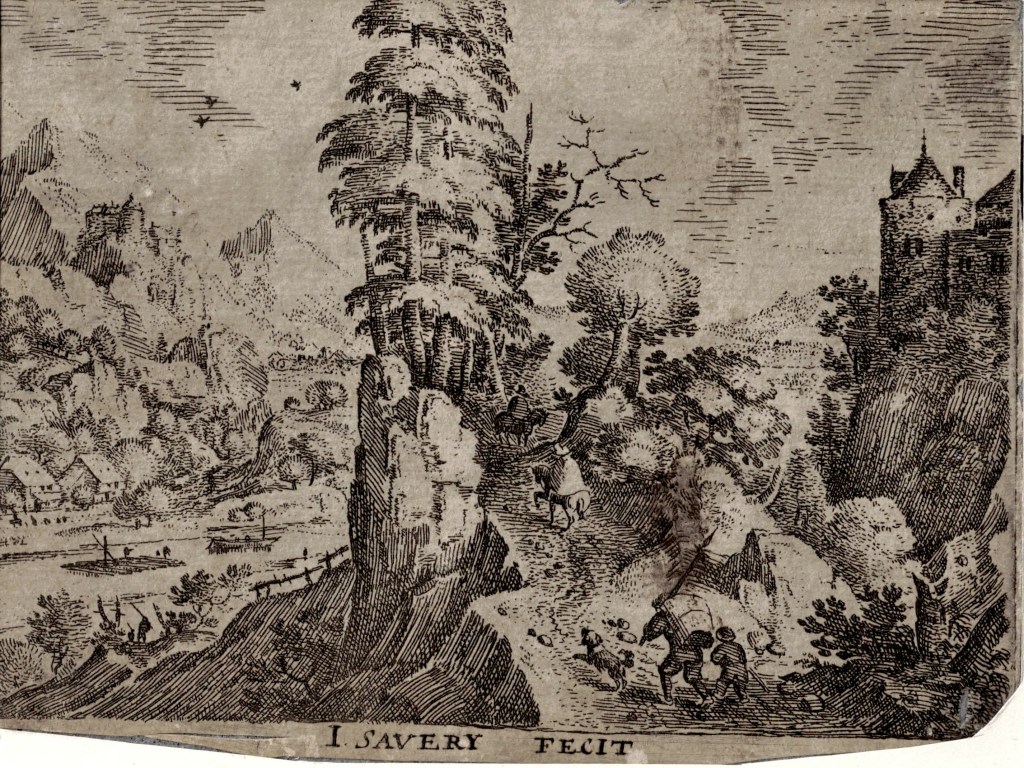
Landscape with Travelers on a Steep Rock, c. 1585 (Hollstein Dutch 8 i/v)
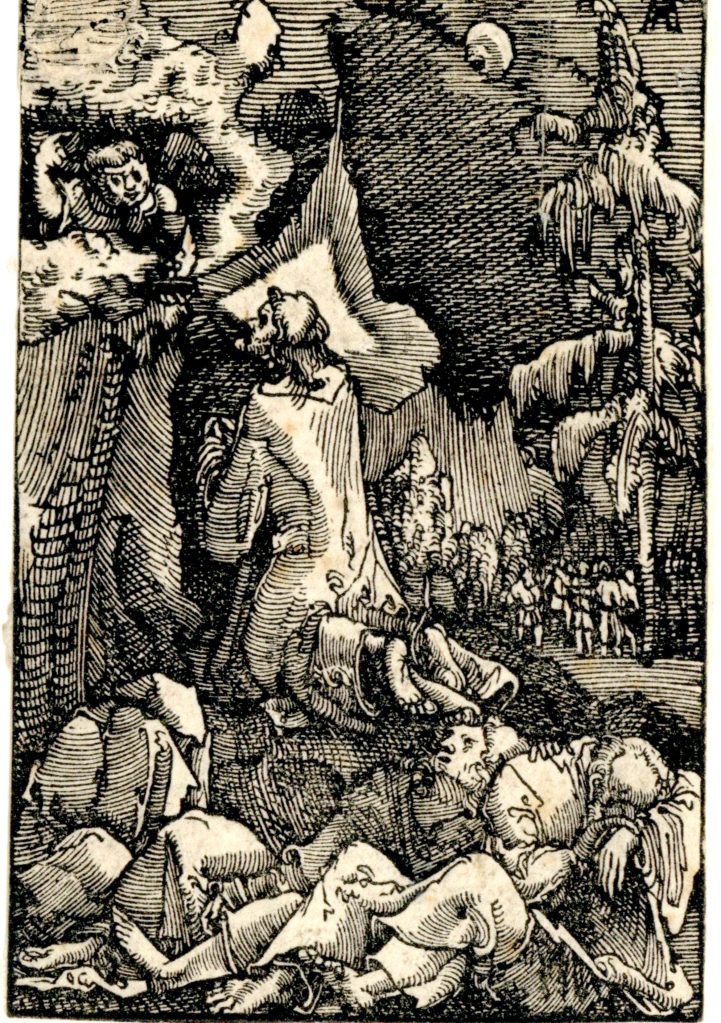
Christ on the Mount of Olives,
1513
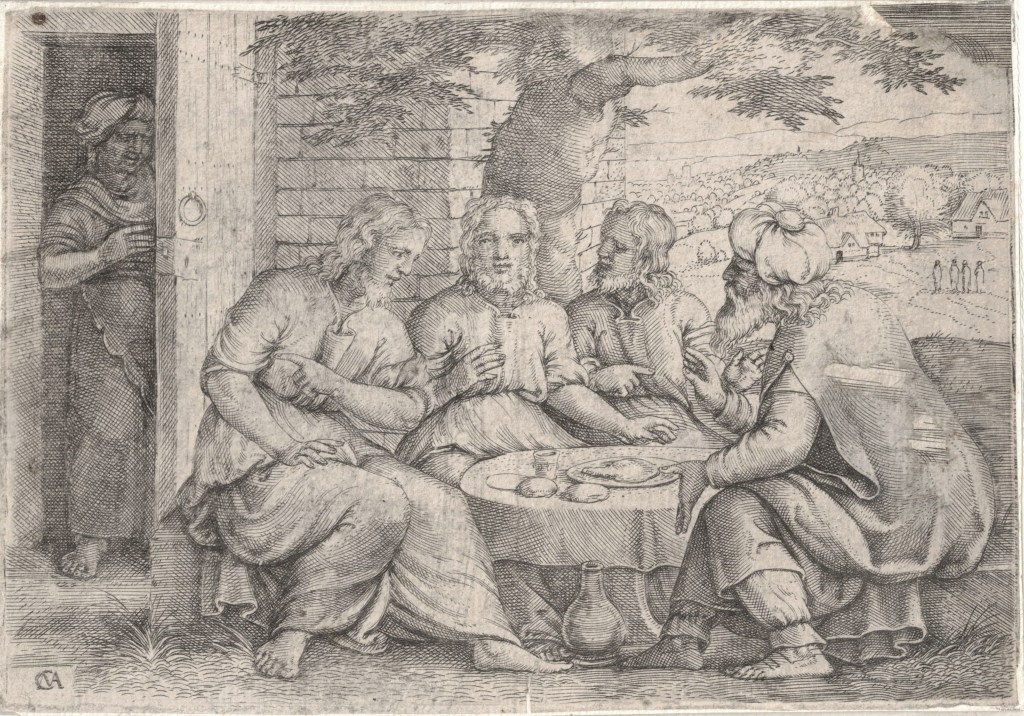
Abraham Receiving the Angels, 1545
(Hollstein 1)

The Prodigal Son Tending the Swine, 1538
(Bartsch VIII.132.35)
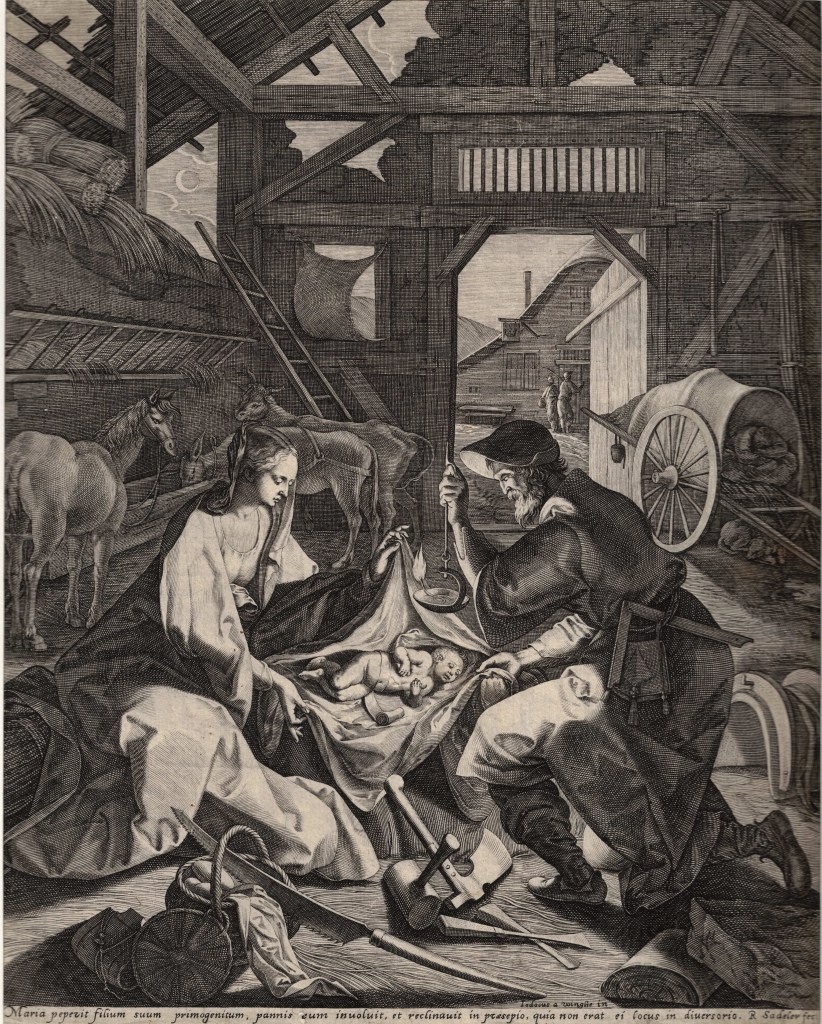
(Hollstein 13)
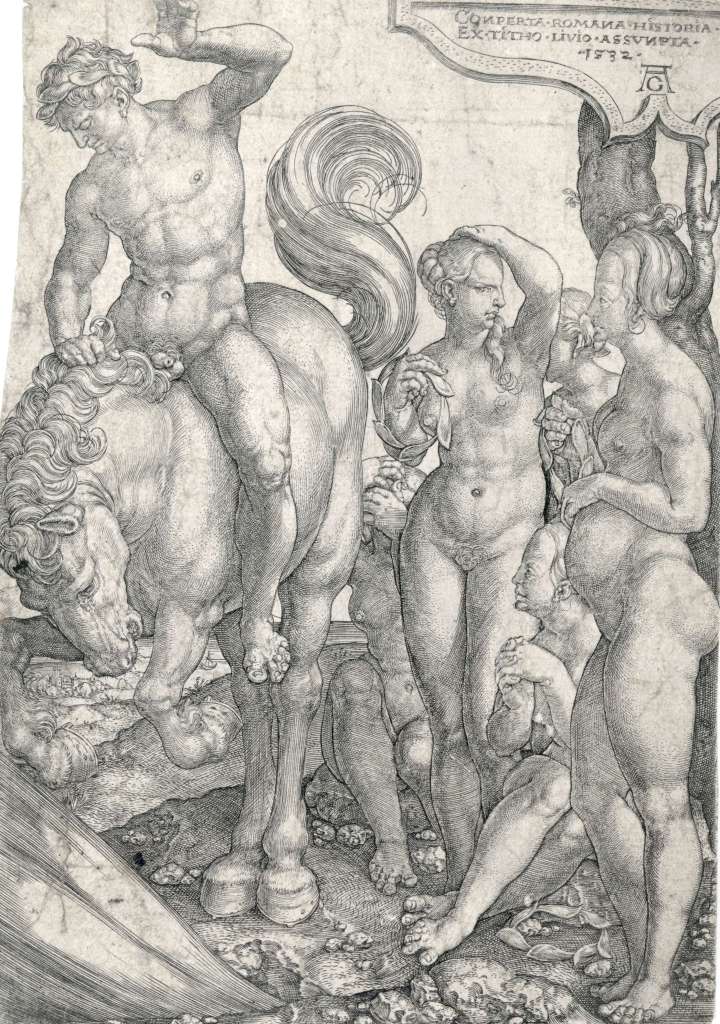
Marcus Curtius, 1532
(New Hollstein 68)
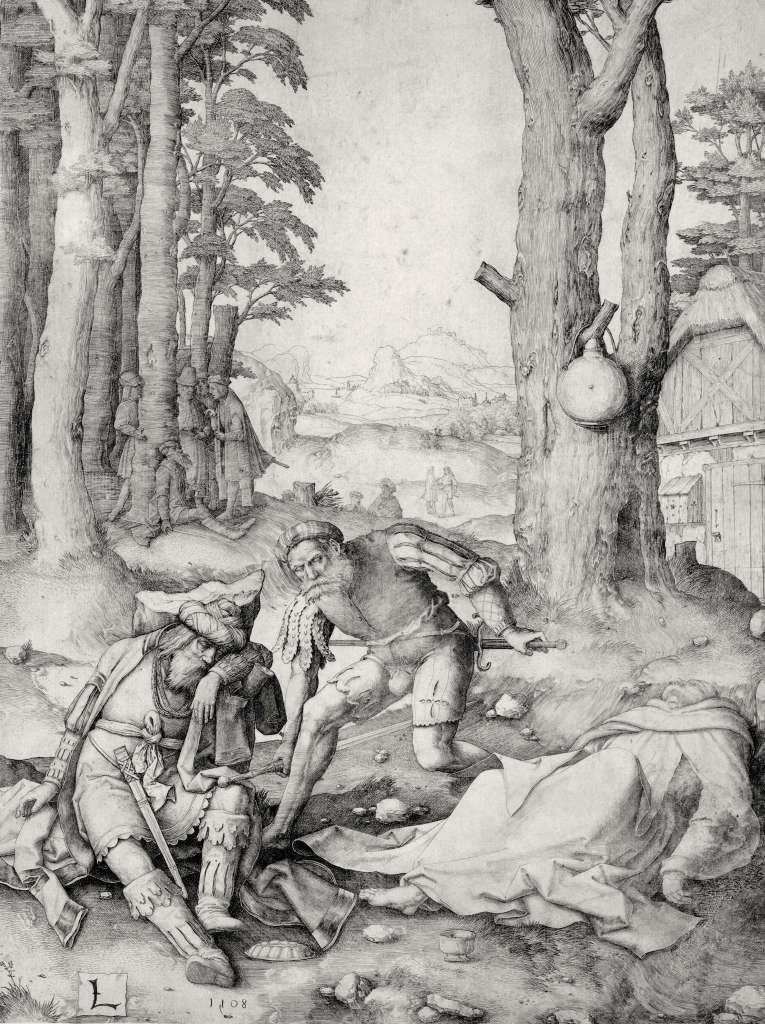
Muhammad and the Monk Sergius, 1508
(New Holl. 126 a/c)
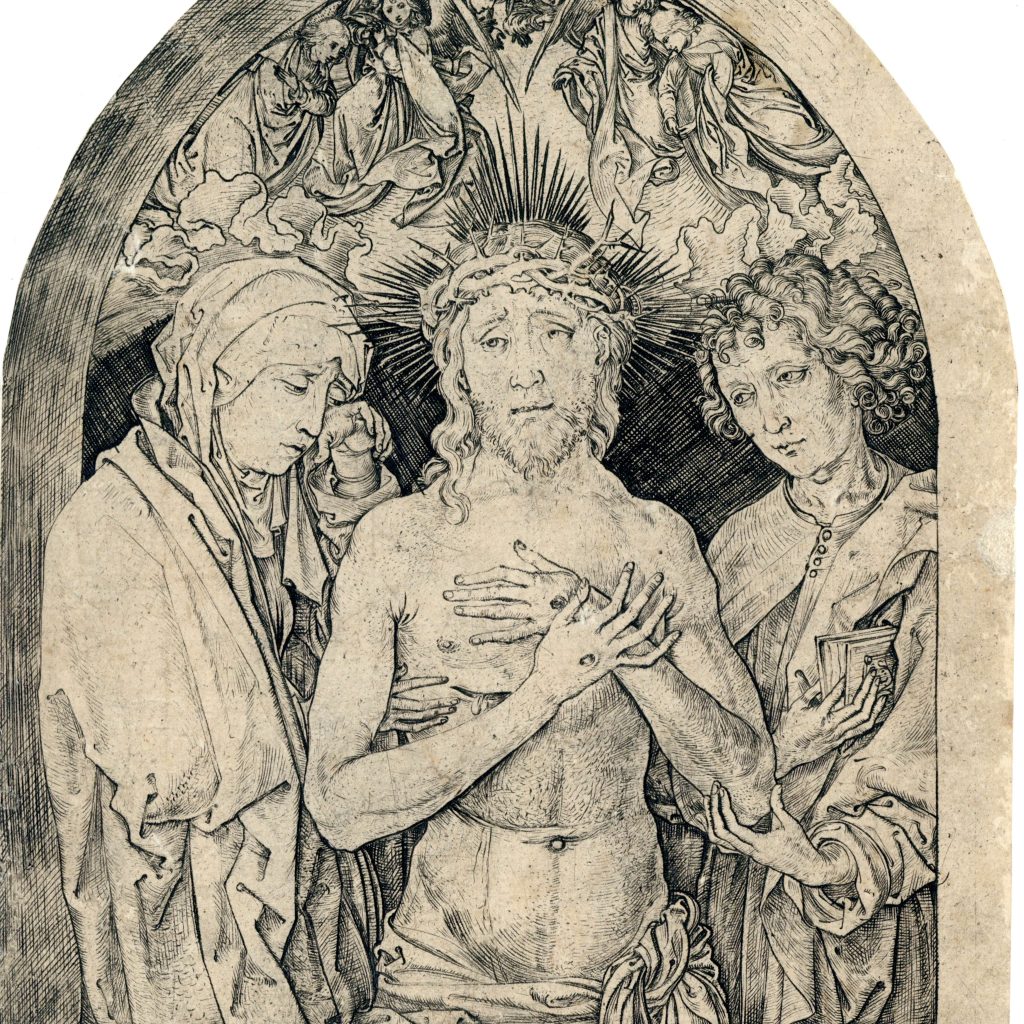
Christ in Sorrow with the Virgin and Saint John, 1469-1482 (Holl. 34 ii/ii)
 Homepage